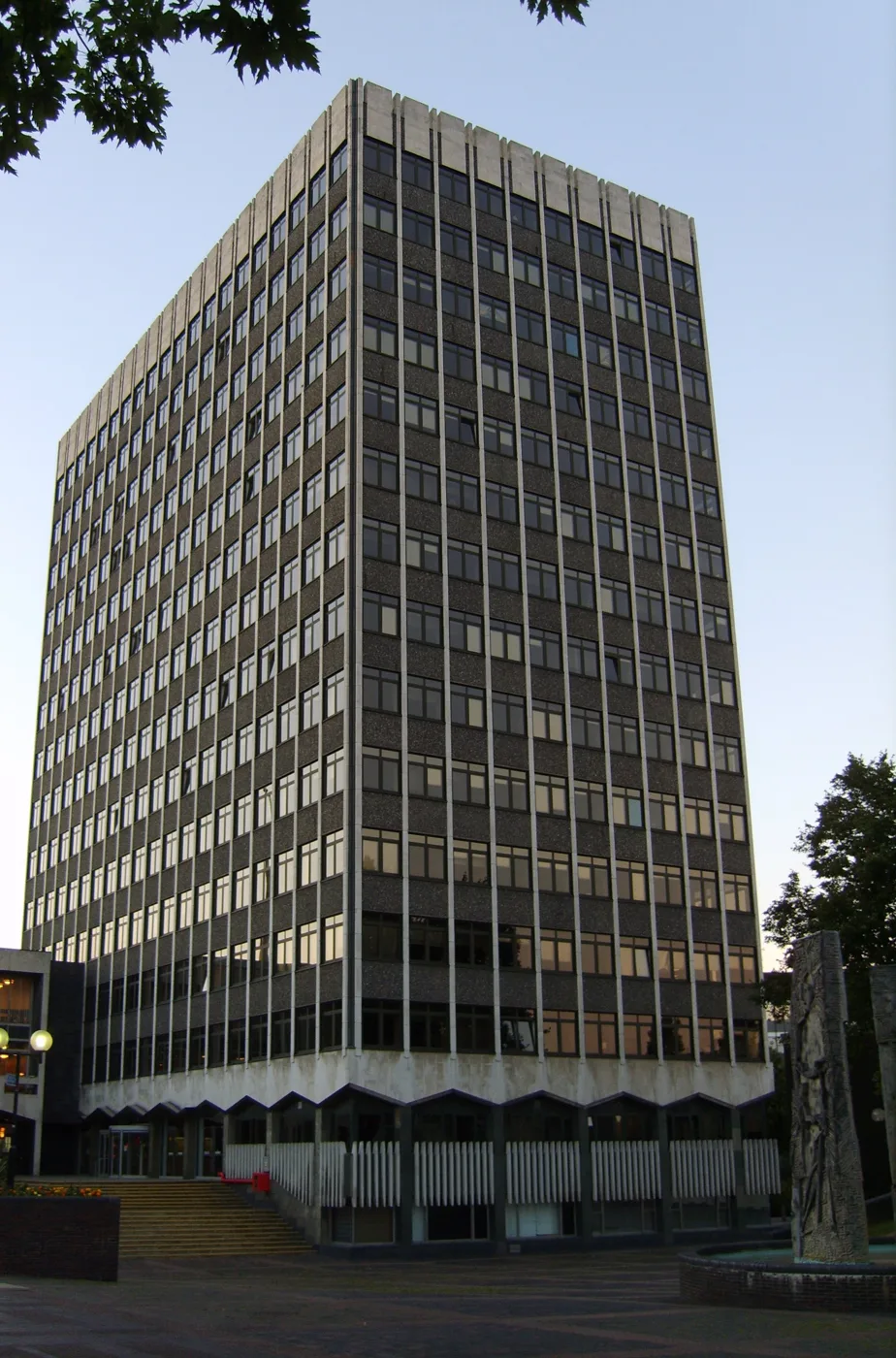

The housing minister has used legal powers to make Southend hand over the Local Plan it paused, citing a 2007 plan and a 20% housing delivery score.
The government has formally intervened in Southend’s Local Plan. The housing minister, Matthew Pennycook, has directed the council to hand over the draft plan it decided not to publish in August, along with all of its evidence.
His letter to the council leader, Cllr Daniel Cowan, is dated 4 September. It says the council’s delay is “clear evidence of a failure to do something necessary” in preparing the plan, and that this “meets the statutory test for intervention” (letter, Ministry of Housing, Communities and Local Government). The government has published it on GOV.UK.
The council has now confirmed the warning in its own words. In a written answer published with the papers for the reconvened full council meeting on Wednesday 7 October, Cllr Cowan says the government “has formally warned the Council that our failure to progress the Local Plan now meets the legal threshold for intervention” (councillor questions and answers).
What the minister has ordered
The direction is made under section 27 of the Planning and Compulsory Purchase Act 2004. The letter required the council to:
- send the minister the latest draft of the plan, the version it chose not to publish for consultation
- send all the evidence documents that sit behind it
- do both within two weeks of the letter, which was 18 September
- set out by 18 September any “exceptional circumstances” why intervention is not appropriate
The letter is clear that the last point “neither alters nor removes the direction”. It says the minister will then decide whether to use further powers under section 21 or 27 of the same Act “should this be necessary to drive forward the delivery of a satisfactory plan”. He adds that he “will not hesitate to take further action” if the request is not met.
The council’s reply has not been published on its own website or on its Local Plan site. We checked both on 3 October.
Why the government says it had to act
The council paused the plan on 21 August, three days before an extraordinary council meeting on the Green Belt. Cllr Cowan said then that “there isn’t currently a majority for the draft Plan”, and that the council would ask the government for more time beyond the 31 December deadline (statement, Southend-on-Sea City Council). We reported the pause at the time in Southend Local Plan paused days before Green Belt vote.
The minister’s letter rejects that approach. It says work on the plan has been going on “since at least 2019” through several consultations. It finds it “difficult to conceive” how big changes could be made now without missing the deadline.
That deadline matters. Plans submitted by 31 December 2026 are examined under the old “legacy” system. The minister says the direction is meant to give Southend’s plan “the best possible opportunity” to be adopted under it.
The letter sets out three facts about Southend:
- The plan in force is from 2007. At “almost 19 years old”, its policies “are likely to be out of date”.
- The city’s Housing Delivery Test score was 20% in 2025. That means Southend built about a fifth of the homes the government’s test expected. The minister says this places it “among the poorest performers nationally”.
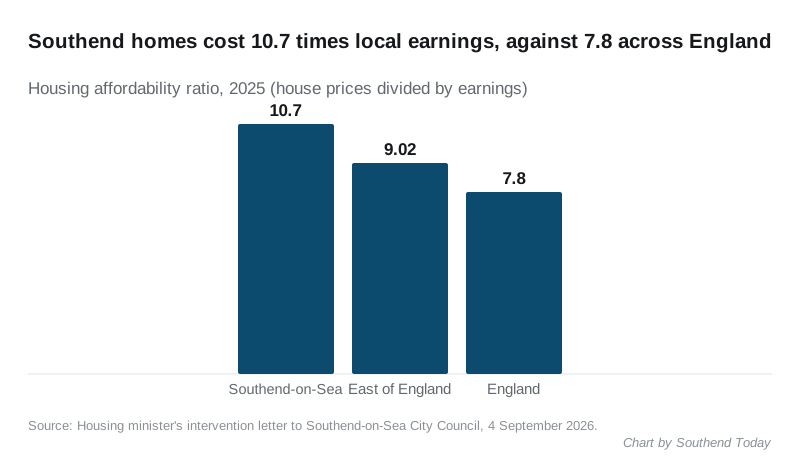
- Homes are less affordable than the region. The 2025 affordability ratio was 10.7 in Southend, against 9.02 for the East of England and 7.8 for England.
The 20% score has a direct effect on planning decisions today. The letter notes that it “engages the presumption in favour of sustainable development”. In plain terms, national policy tilts in favour of approving housing schemes when a council is that far behind.
What the council says now
Cllr Cowan’s written answer came in reply to Cllr Heaver, who asked whether the administration would rule out Green Belt land in any future plan. That followed the extraordinary council meeting on 24 August, which backed a motion opposing Green Belt development. Cllr Cowan said:
- the motion “did not determine the contents of the new Local Plan”
- the government’s warning makes it “even more important” not to make commitments that “prejudge the statutory Local Plan process”
- the plan is paused, and the council “invited further cross-party working to consider what reasonable changes can be made”
- the plan will come back to the chamber, where “all 51 Members” will decide whether to approve it
When he announced the pause in August, he also named what the delay costs. “Every delay means the stronger protections we want around HMOs, infrastructure and inappropriate development take longer to put in place,” he said.
The cost of speculative applications
The same set of written answers shows what is at stake when there is no up-to-date plan.
Cllr O’Rourke asked what the council spent assessing the 2,000-home Bournes Green scheme, which the Planning Committee refused on 27 August. Cllr Robinson, the cabinet member for planning, replied that “approximately six months of officer time” went into it. The council received a planning fee of £187,111. We covered the refusal in Bournes Green Chase: refusal reworded on legal advice.
The minister’s letter warns that without a plan, development is more likely to come forward “on a piecemeal and speculative basis, with reduced public engagement”.
What it means for you
- Nothing changes on the ground yet. Planning applications are still judged against the 2007 Core Strategy, the 2015 Development Management Document and national policy.
- The 20% score works against refusals. Expect more large housing applications to argue that national policy favours them, as Bournes Green did.
- The minister can go further. His letter keeps open further directions under sections 21 and 27. Section 27 of the 2004 Act allows the Secretary of State to “prepare or revise” a plan directly (legislation.gov.uk). The letter does not say he will.
- Your councillors still vote on it. Cllr Cowan says the plan will return to the full council. You can find yours on the council’s democracy pages.
- The next public meeting is Wednesday 7 October at 6.30pm, the reconvened full council (agenda). The Local Plan is not on its agenda as an item.
For how planning decisions are made in the meantime, see our Southend planning applications guide.
Have your say