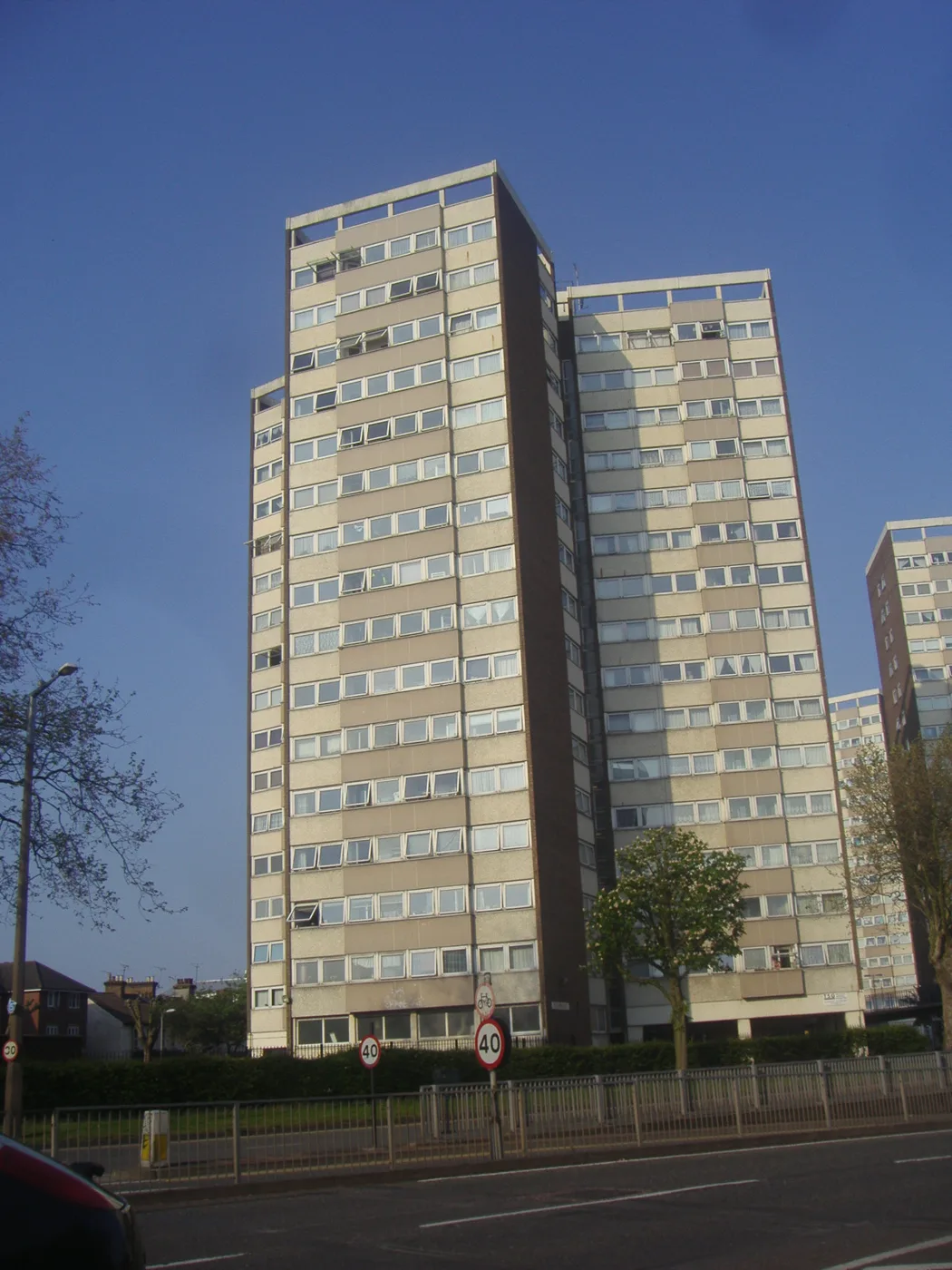

Quantock Tower would be refitted, not demolished, in new Better Queensway plans: 934 homes for about £330m. The Range's lease ends in 2028. Cabinet: 16 Nov.
Quantock Tower would be stripped back and rebuilt around its frame instead of being knocked down, under new plans for Southend’s Better Queensway. The first two stages would hold about 934 homes, at a build cost of around £330m.
The plans are in a report published today for Cabinet on 16 November (Cabinet report). Scrutiny councillors see it first on 12 November (meeting papers).
Nothing is decided yet, and the design is described as indicative. The council is asking Cabinet to approve a way of finding a private partner to pay for and build the housing. Any partner would come back to Cabinet for separate approval.
What is proposed
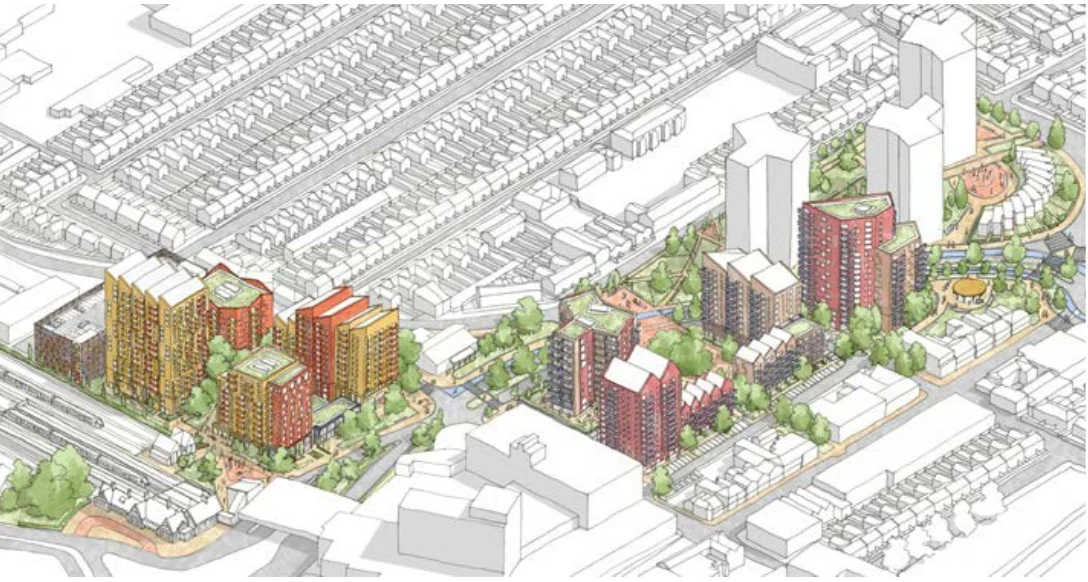
The council’s feasibility study splits the first stages into two zones. They could come forward in either order, or together (feasibility report).
| Zone 1 | Zone 2 | |
|---|---|---|
| Site | The Range and Short Street car park | Quantock Tower and the former Essex Street car park |
| Homes | 481 | 453, including 116 refurbished in Quantock |
| Car parking | 424 spaces | 74 spaces |
| Tallest buildings | Up to 18 storeys | Up to 18 storeys |
| Estimated cost, 2026 prices | About £173.3m | About £157.1m |
Zone 1 includes a seven-storey multi-storey car park with about 350 spaces, at an estimated £17.8m. Across both zones the study allows 498 parking spaces for 934 homes, or 0.53 a home.
The £330m excludes inflation, and it also excludes the grant and design savings the council hopes for. The report says a partner is expected to carry most of the cost and risk, subject to the final deal.
What changes for Quantock Tower
The earlier plan was to demolish Quantock and rebuild. The report now calls that the “previous plan”, and says a deep refit could offer a similar lifespan and quality to a new build, with much less carbon.
The study says the tower’s flats fall short of current national space standards, and its single staircase does not meet today’s rules. The refit would involve:
- stripping out the interiors and services
- a new outer wall to meet acoustic, thermal and fire safety requirements
- a second staircase and a separate evacuation lift
- larger floors, so the flats can be laid out better
This is not settled. The study lists the retrofit as a main risk. It says further work is needed on the tower’s structure, fire safety, services and viability.
Quantock is also one of eight Southend blocks whose Building Safety Regulator cases have not yet been called in.
What it means for Quantock tenants
Tenants would have to move out for the work. The council says it will write a housing needs assessment and a plan for moving people. It aims to move residents only once, except those in temporary accommodation.
No dates for that are given. The report accepts that tenants in the towers have been “waiting patiently” for over a decade. It also says consultation and equality duties must be met before any final decision affecting them.
What it means for The Range and Southchurch Road
The Range. Its lease runs out in September 2028. The report gives the date as both 24 and 28 September. Talks are under way, and the council’s ambition is to help the store stay in the city centre “where possible”. The store has a legal right to renew its lease unless the council ends it on grounds such as redevelopment, and in that case it may be owed compensation.
Southchurch Road. The study avoids compulsory purchase of properties there in these first stages. The report names the cost of those purchases, and of the highway works, as the biggest past threats to viability. Partners will be told the council is “flexible” on those properties.
Why a partner, and what it costs now
The council’s original joint venture partner, Swan Housing, was bought by Sanctuary, which then left the venture. Housing work was paused while the road works went ahead.
The report rejects two alternatives:
- Stopping the project. That would put £15m of Homes England grant at risk and leave the estate’s costs with the council.
- Hiring a traditional developer. Officers say the 2021 masterplan is now much less viable, and that the market showed “limited appetite”.
Under the proposed Investment Partnership, the council keeps ownership of its land and can veto schemes. It would put in land, grant and Right to Buy receipts, and could share in profits. The report says the first homes are likely to be mainly affordable, though the mix is not yet set.
The viability figures themselves are in a confidential appendix. So the size of the funding gap has not been published, only that “significant work” has been done to narrow it.
Preparing all this would cost £1.4m up to the end of 2027/28. Of that, £1.1m is new money, to be borrowed, and it needs full Council approval. The report warns of further spending in later years that is “likely to be significant”.
What happens next
- 12 November, 6.30pm: joint scrutiny meeting, with questions from the public on the agenda (papers and webcast)
- 16 November: Cabinet decision
- From December: work on the partnership structure and sounding out the market
- Summer 2027: likely partner selection (procurement paper)
- Summer or autumn 2027: partnership signed, if Cabinet approves the winner
The leader, Councillor Daniel Cowan, called the project “a once-in-a-generation opportunity to transform the heart of our city” (council news release).
The release refers to “up to 1,000 homes” in the first phases. The study’s figure is 934. The whole scheme, including later phases, is put at about 1,760 homes.
Where Better Queensway has got to
The study says the road works began in December 2025, and the report describes them as “substantially advanced”. The latest closures are on our Southend roadworks page, and the planting that goes with them is in our story on the Beth Chatto scheme.
Sources
- Better Queensway Housing Plans, Cabinet report, Southend-on-Sea City Council, for 16 November 2026
- Better Queensway Phases 1 and 2 feasibility report, September 2026
- Procurement implications and partner selection strategy
- Joint scrutiny meeting, 12 November 2026
- First new glimpse for Better Queensway next phase, Southend-on-Sea City Council, 4 November 2026
Have your say